Vernier Height Gauge Measurement . Thank you for purchasing the vernier height gauge. Height gauges are used to measure angles and flatness. Vernier Height Gauge [Parts, Diagram, Uses & Least Count] from www.theengineerspost.com 0.02 mm vernier height gauge: A height gauge is a measuring device used for determining the height of objects, and for marking of items to be worked on. And what is least count of it?
Gauge Pressure And Absolute Pressure. They measure the gauge pressure. Absolute pressure is the sum of gauge pressure and atmospheric pressure.
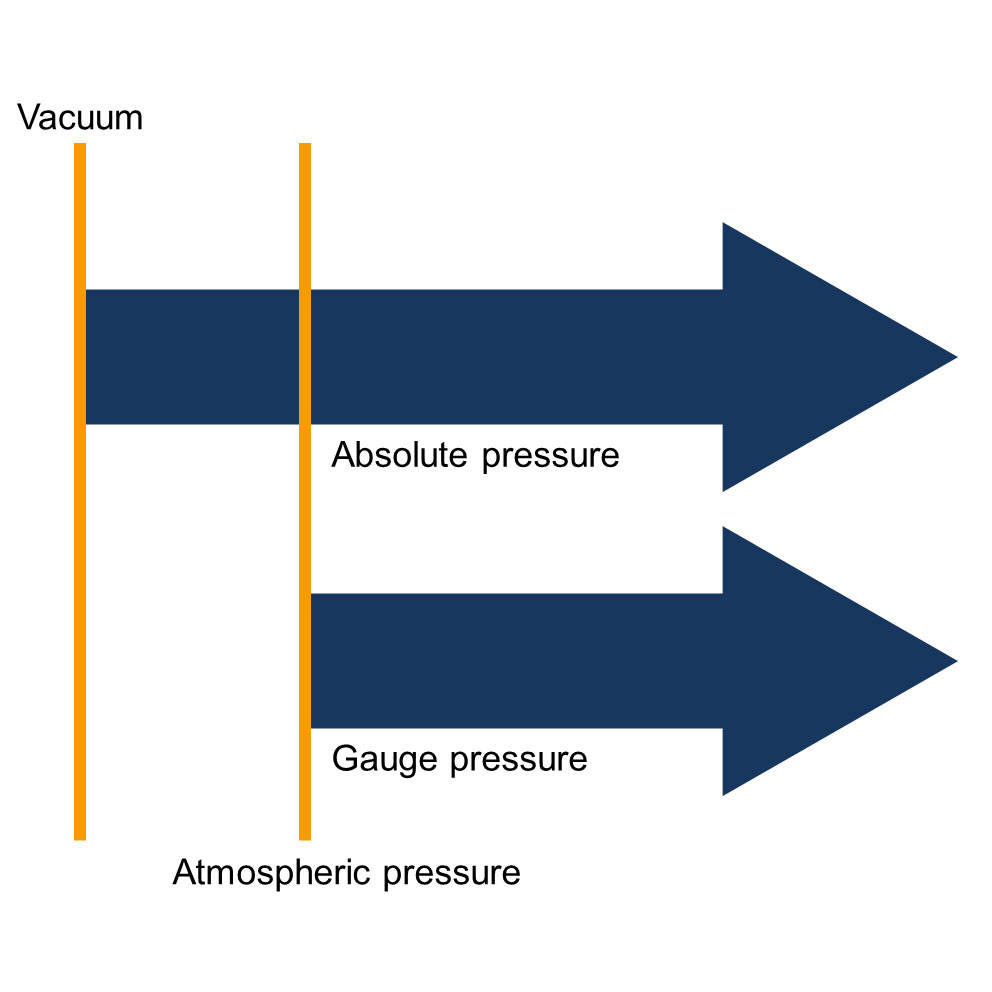
Difference between gauge pressure and absolute pressure from blog.wika.com
Due to varying atmospheric pressure, gauge pressure measurement is not precise, while absolute pressure is always definite. This means when you are standing at sea level your body is experiencing ~14.7 (14.696) pounds/square inch of pressure, due to the atmosphere above you. Gauge pressure is also known as relative pressure.
Absolute Pressure Of A Fluid May Be More Or Less Than Atmospheric Depending Upon, Whether The Gauge Pressure Is Expressed As Absolute.
In a gauge pressure measurement, it is always the difference from the current ambient pressure that is measured. Absolute pressure is the sum of gauge pressure and atmospheric pressure. To get a firm grip on the pressures in a fluid system, one also needs to know about absolute pressure and gauge.
Pressure Is A Force Acting Over A Certain Area.
Absolute pressure is the sum of gauge pressure and atmospheric pressure. Absolute vs gauge pressure measurement. Gauge pressure is the pressure relative to atmospheric pressure.
They Measure The Gauge Pressure.
In the united states, pressure is often described as pounds per square inch, or psi. However, this pressure changes with the weather and the height above sea level. Gauge pressure is the pressure relative to atmospheric pressure.
Pounds Per Square Inch Absolute (Psia) Is Used To Make It Clear That The Pressure Is Relative To A Vacuum Rather Than The Ambient Atmospheric Pressure.
Absolute zero pressure can occur only if the molecular momentum is zero, and this condition arises when there is a perfect vacuum. This means when you are standing at sea level your body is experiencing ~14.7 (14.696) pounds/square inch of pressure, due to the atmosphere above you. For reasons we will explore later, in most cases the absolute pressure in fluids cannot be negative.
For More Information Please Refer To Our Absolute Pressure Guide.
It is that pressure of a fluid, which is measured with respect to absolute zero pressure as the reference. Absolute pressure is measured in relation to the vacuum, while gauge pressure is the difference between the absolute pressure and the atmospheric pressure. Typically, the quantity used for engineering calculations is 1 atm, or 101 kpa.


Comments
Post a Comment